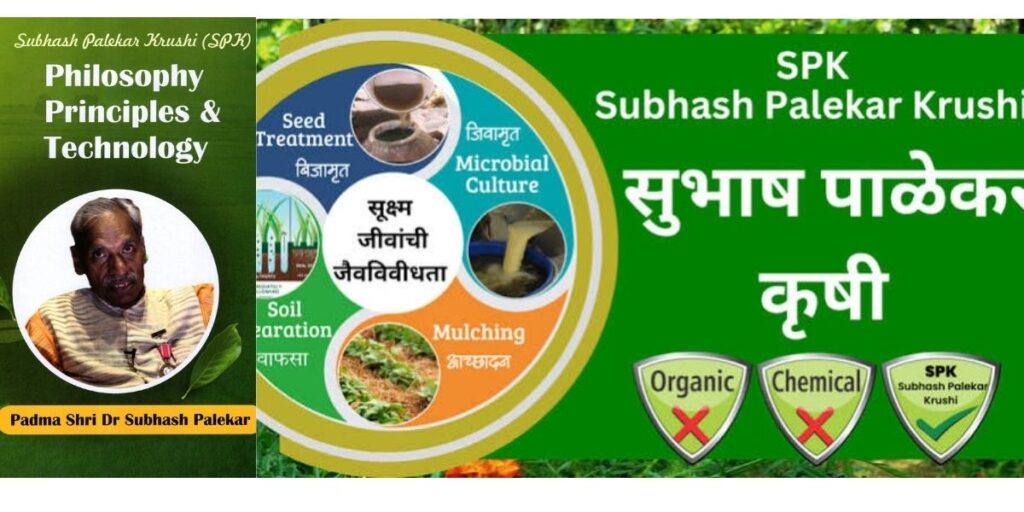
Natural farming is becoming increasingly important in India as consumers, farmers, and businesses look for more sustainable ways to produce food. With growing awareness about soil health, food quality, biodiversity, and environmentally responsible agriculture, natural farming offers an approach that focuses on working with nature rather than relying heavily on external chemical inputs.
For a country like India, where agriculture supports millions of farmers and communities, natural farming can play an important role in building a more sustainable food system.
In this article, we explore what natural farming means, its key practices, potential benefits, and why naturally produced food is attracting growing interest among consumers.
What Is Natural Farming?
Natural farming is an agricultural approach that aims to minimize dependence on synthetic chemical inputs and make greater use of natural resources and biological processes.
Instead of treating the soil simply as a medium for growing crops, natural farming focuses on maintaining living soil, encouraging beneficial microorganisms, protecting biodiversity, and making efficient use of locally available resources.
Natural farming practices can vary depending on the region, crop, climate, and farming tradition. In India, many of these principles are connected with traditional agricultural knowledge that has been practiced for generations.
Key Principles of Natural Farming
Natural farming generally focuses on several important principles:
- Building Healthy Soil
Healthy soil is the foundation of productive agriculture. Natural farming encourages practices that support soil microorganisms, organic matter, and natural nutrient cycles.
Farmers may use locally available organic materials, crop residues, composting methods, and other biological inputs to support soil health.
- Reducing Dependence on Synthetic Chemicals
One of the important objectives of natural farming is to reduce dependence on synthetic fertilizers and pesticides where practical.
Farmers can explore biological and ecological approaches for managing soil fertility, pests, and diseases while selecting methods appropriate for their crops and local conditions.
- Encouraging Biodiversity
A diverse agricultural ecosystem can provide important benefits to farms. Crop diversity, beneficial insects, trees, livestock integration, and natural vegetation can contribute to a more balanced farming environment.
Biodiversity can also help create habitats for pollinators and other beneficial organisms.
- Efficient Use of Water
Water is one of the most important resources in Indian agriculture. Natural farming emphasizes efficient water management and practices that help maintain soil structure and moisture.
Appropriate mulching, crop selection, soil management, and irrigation practices can help farmers use water more efficiently.
- Using Local Resources
Natural farming often encourages farmers to make better use of resources available within or around the farm.
Crop residues, farmyard materials, biomass, livestock resources, and locally available biological inputs can potentially reduce dependence on purchased external inputs.
Benefits of Natural Farming
Natural farming can offer several potential environmental and agricultural benefits when implemented appropriately.
Improved Soil Health
Regular use of practices that increase organic matter and support soil biology can contribute to better soil structure and biological activity.
Healthy soil can support better nutrient cycling and water management, which are important for long-term agricultural productivity.
Support for Biodiversity
Farming methods that encourage crop diversity and beneficial organisms can contribute to a healthier agricultural ecosystem.
Pollinators and beneficial insects are important components of many farming systems, making biodiversity an important consideration for sustainable agriculture.
Potential Reduction in Input Costs
Depending on the crop, location, and farming system, reducing dependence on purchased synthetic inputs may help farmers manage production costs.
However, results can vary significantly between farms, and natural farming requires appropriate knowledge and management.
Environmental Benefits
Natural farming practices can potentially reduce the environmental impact associated with excessive use of agricultural inputs.
Practices that focus on soil health, biodiversity, water conservation, and efficient resource use can contribute to more sustainable farming systems.
Preservation of Traditional Agricultural Knowledge
India has a long history of traditional farming practices adapted to different climates and regions.
Natural farming provides an opportunity to preserve and improve useful traditional knowledge while combining it with modern agricultural understanding and scientific evaluation.
Natural Farming vs. Organic Farming
Natural farming and organic farming are related but they are not exactly the same.
Organic farming generally follows defined standards regarding permitted and prohibited inputs and may involve certification requirements depending on the market and country.
Natural farming is a broader approach that emphasizes ecological processes, biological activity, local resources, and minimizing external inputs.
Consumers should therefore check product labels and certifications carefully rather than assuming that every product described as “natural” is automatically certified organic.
Why Natural Farming Matters for Food Quality
Consumers today are increasingly interested in knowing where their food comes from and how it is produced.
Food quality depends on many factors, including crop variety, soil conditions, harvesting practices, storage, processing, transportation, and packaging.
Natural farming is one part of this larger food-quality journey.
At Mahi Natural Farm, we believe that good food begins with responsible sourcing and careful attention to quality throughout the journey from farm to consumer.
From agricultural products to traditional Indian foods, our goal is to connect consumers with products that reflect India’s rich farming heritage while focusing on quality and responsible practices.
How Consumers Can Support Responsible Farming
Consumers can contribute to a more sustainable food system through informed purchasing decisions.
Here are a few simple things to consider:
• Learn about the origin of the product.
• Check ingredient and product labels carefully.
• Look for appropriate certifications when organic or other certified products are important to you.
• Choose brands that provide clear information about sourcing and processing.
• Support farmers and businesses that prioritize responsible agricultural practices.
• Avoid making health decisions based solely on marketing claims.
The Future of Natural Farming in India
India’s agricultural future will require a balance between productivity, farmer livelihoods, environmental sustainability, and consumer expectations.
Natural farming is not a single solution for every agricultural challenge. Different crops and regions require different approaches, and farmers need access to reliable knowledge, suitable technology, markets, and economic support.
However, the principles of improving soil health, conserving resources, supporting biodiversity, and reducing unnecessary external inputs can be valuable components of a more sustainable agricultural system.
As awareness grows, natural farming and other sustainable agricultural approaches are likely to receive increasing attention from farmers, consumers, food businesses, and international buyers.
Final Thoughts
Natural farming represents a shift toward understanding agriculture as part of a living ecosystem. By focusing on healthy soil, biodiversity, responsible resource use, and locally appropriate farming practices, it can contribute to a more sustainable approach to food production.
For consumers, the journey toward better food begins with awareness—understanding how food is grown, where it comes from, and how it reaches the table.
At Mahi Natural Farm, we are committed to promoting awareness of responsible agriculture and bringing quality Indian agricultural products closer to consumers.
Frequently Asked Questions
- What is natural farming?
Natural farming is an agricultural approach that emphasizes natural ecological processes, healthy soil, biodiversity, efficient resource use, and reduced dependence on synthetic external inputs.
- Is natural farming the same as organic farming?
No. Natural farming and organic farming share some principles, but they are not identical. Organic farming may follow specific certification standards, while natural farming generally focuses on ecological processes and minimizing external inputs.
- What are the main benefits of natural farming?
Potential benefits include improved soil health, support for biodiversity, efficient resource use, reduced dependence on external inputs, and preservation of traditional agricultural knowledge.
- Is food from natural farming healthier?
The term “natural” by itself does not guarantee a particular nutritional or health outcome. Food quality depends on many factors, including the crop, variety, farming practices, harvesting, processing, storage, and preparation.
- Why is natural farming important in India?
Natural farming can support efforts to improve soil health, conserve resources, encourage biodiversity, and promote more sustainable agricultural practices suited to India’s diverse farming conditions.
Keywords: natural farming in India, natural farming, benefits of natural farming, natural farming practices, sustainable agriculture in India, natural food, Indian farming, healthy soil, sustainable farming